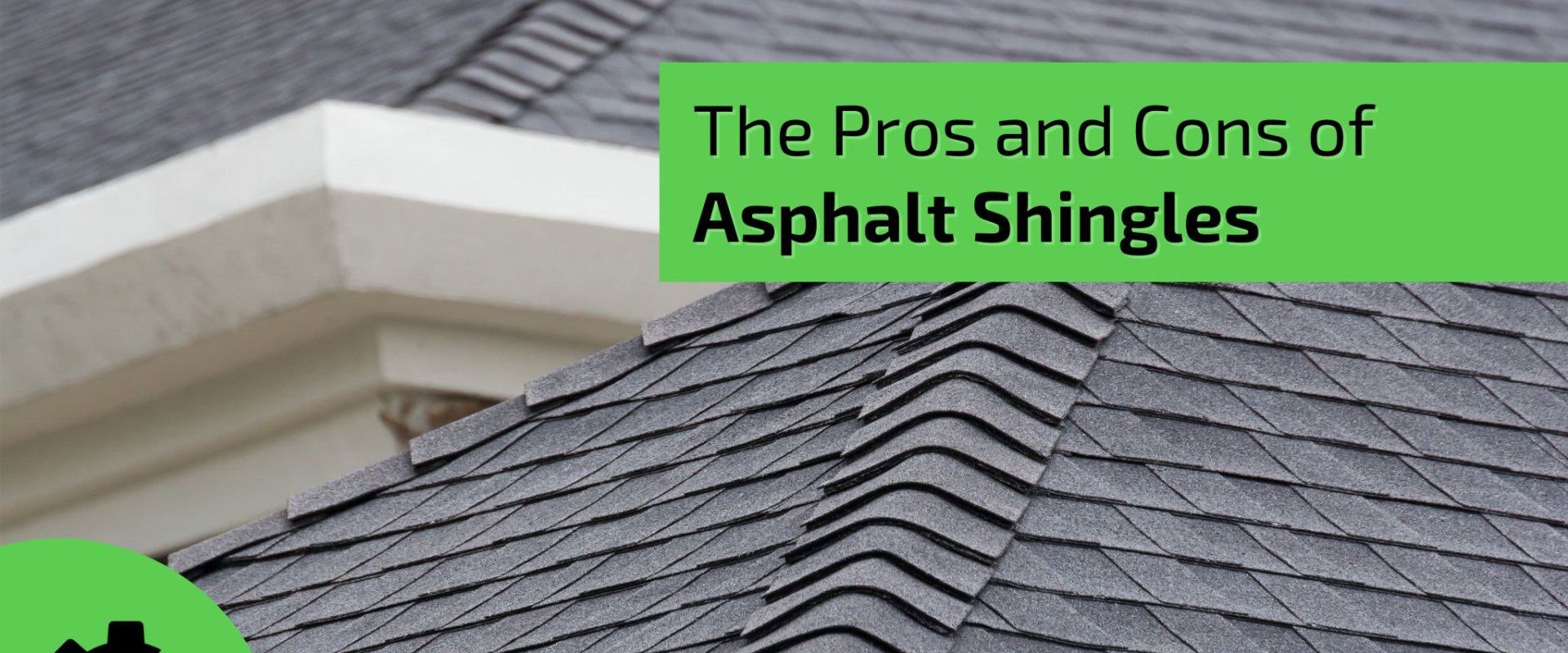
Asphalt Shingles: Pros and Cons
Asphalt shingles offer cost efficiency and ease of installation, making them ideal for DIY projects. They come in a variety of colors and styles, enhancing curb appeal and even offering energy-efficient options that can lower cooling expenses.
Asphalt shingles offer cost efficiency and ease of installation, making them ideal for DIY projects. They come in a variety of colors and styles, enhancing curb appeal and even offering energy-efficient options that can lower cooling expenses. However, they're vulnerable to wind uplift, temperature sensitivity, and have varying lifespans. Regular maintenance, such as inspections and clearing debris, is pivotal to prevent damage. High-quality shingles resist diverse weather conditions, including snow, hail, and high winds. They also mimic high-end materials at a fraction of the cost. By continuing, you'll explore deeper insights into their pros and cons.
- Cost-efficient and easy to install, ideal for DIY projects.
- Available in various colors and styles, offering customizable curb appeal.
- Temperature sensitivity can cause brittleness and damage over time.
- Vulnerable to wind uplift, especially in more affordable variants.
- Requires regular maintenance to ensure longevity and prevent issues.
Cost Efficiency
Asphalt shingles stand out as the most cost-efficient roofing material due to their lower production and installation costs. By choosing asphalt shingles, you're tapping into an option that greatly reduces the financial burden of roofing. Their production processes are streamlined to minimize expenses, which results in savings directly passed onto you. When undertaking budget-friendly projects, these shingles become particularly attractive. The affordability doesn't stop at the purchase - they're ideal for DIY installations, helping you save significantly on labor costs.
Moreover, the workability of asphalt shingles means you can handle them easily, facilitating swift and efficient applications. This characteristic not only reduces the need for specialized labor but also shortens installation times, cutting additional overhead costs. Their practicality extends beyond immediate expenses; they boast a long lifespan with minimal maintenance demands. Routine inspections and occasional repairs are typically all that's required to keep your roof in peak condition.
In the long run, their durability means fewer replacements and repairs, maintaining low costs throughout their lifecycle. With asphalt shingles, you get a resilient, cost-effective roofing solution that's hard to match in terms of overall value.
Installation Ease
In addition to being cost-effective, asphalt shingles shine in their installation ease, making them an excellent choice for both professionals like iDeal Roofing and DIY enthusiasts. Their light weight and simple design notably contribute to a more straightforward and less labor-intensive installation process. This aspect not only saves time but also reduces labor costs, which can be a major benefit for large-scale projects or tight renovation budgets.
You don't need any special tools to install asphalt shingles, which simplifies the process even further. Unlike other more complex roofing materials, installing asphalt shingles typically involves basic tools like a hammer, roofing nails, and a utility knife. This minimal tool requirement is advantageous for those starting on DIY projects, where investing in specialized equipment can drive up costs.
Here's a breakdown of what makes asphalt shingles easy to install:
- Light weight - Easy to handle and transport to the roof.
- No special tools required - Reduces the need for costly equipment.
- Simple design - Lessens the complexity and time needed for installation.
- Minimal expertise needed - Suitable for beginners and professionals alike.
Variety and Styles
You'll find asphalt shingles incredibly versatile, with a multitude of color choices and styles like three-tab, dimensional, and luxury options. These shingles not only offer customizable appearance options to match your home's aesthetic but also provide practical benefits that align with your budget. Architectural and luxury shingles can even mimic high-end materials such as wood shake or slate, enhancing your home's curb appeal.
Diverse Color Choices
Understanding the diverse color choices and various styles of asphalt shingles is essential for customizing your home's exterior to achieve the desired aesthetic and enhance its curb appeal. Asphalt shingles provide a wide array of colors and styles, making it easy for you to match your exterior design vision. Here's a detailed look at your options:
Color Options: Asphalt shingles come in virtually every shade imaginable, from classic neutrals like grays and blacks to more vibrant hues like blues and greens. This allows for precise customization according to your personal taste and home's architectural style.
Style Variety: Asphalt shingles offer several style choices, including 3-tab, architectural, and luxury shingles. Architectural and luxury styles often present a more dimensional and textured appearance compared to the uniformity of 3-tab shingles.
Mimic Natural Materials: Luxury shingles can simulate natural materials such as slate or wood. These high-end options provide the aesthetic benefits of these materials without the high costs and maintenance requirements.
Enhanced Curb Appeal: With the right combination of color and style, asphalt shingles can greatly boost your home's attractiveness. This could potentially increase property value and neighborhood desirability.
Multiple Shingle Types
When exploring the diverse color choices, it's equally important to understand the different types of asphalt shingles available, including 3-tab, architectural, and luxury styles, each offering unique aesthetic and functional benefits.
3-tab shingles are the most economical option, characterized by their flat, uniform appearance. While they provide basic weather resistance, their durability and lifespan are limited, making them ideal for budget-conscious projects.
Architectural shingles, also known as dimensional or laminated shingles, offer a significant upgrade. They present a multi-dimensional appearance with varied shapes and sizes that simulate a random pattern, boosting your roof's visual appeal. Besides aesthetics, architectural shingles provide better wind resistance and longer lifespan, making them a robust middle-ground choice.
Luxury shingles represent the pinnacle of asphalt roofing, mimicking the high-end look of natural slate or cedar shakes. These shingles offer superior thickness, durability, and the highest curb appeal. However, their cost reflects these premium features, commanding the highest price among the three.
Each type of shingle brings specific color options, pricing brackets, and features, allowing you to match your roofing choice precisely with your aesthetic preferences and budget. Knowing these details helps you make a practical, informed decision for your home's roofing needs.
Customizable Appearance Options
Asphalt shingles offer a wide range of customizable appearance options, including a variety of colors, textures, and patterns that can enhance your home's curb appeal while matching its architectural style. By providing flexibility, asphalt shingles enable you to achieve the look of more expensive materials like wood shake, slate, or tile, without breaking the bank.
Consider these four key factors when choosing asphalt shingles:
Color Range: With choices ranging from subtle earth tones to vivid shades, you can coordinate your shingles with your home's exterior paint or siding effortlessly. Brands such as GAF, CertainTeed, and Owens Corning offer a wide range of colors to suit any preference.
Shingle Type: Traditional 3-tab shingles offer a classic, flat look, while dimensional (architectural) shingles add depth and shadow for a more textured appearance. For a luxurious look, premium shingles can replicate the appearance of wood or slate.
Textures and Patterns: Enhancing the tactile and visual appeal, shingles come in various textures that can imitate the roughness of natural materials or the smoothness of classical finishes.
Custom Designs: Different patterns and finishes, available through top brands, allow you to harmonize your roof's aesthetics seamlessly with the architectural style of your home, creating a cohesive design.
Utilizing these customization options ensures your roof stands out and complements your home's overall design effectively.
Wind Uplift Vulnerability
High winds can easily lift more affordable asphalt shingles, leading to significant roof damage, leaks, and potential structural failures. When considering asphalt shingles, wind uplift vulnerability is a key factor. The susceptibility of lower-quality shingles to high winds stems from inadequate adhesion and subpar fastening techniques. Proper installation is vital: using the correct number of fasteners and precise fastening patterns can help alleviate wind-related issues.
Investing in higher quality asphalt shingles is a wise approach. These options often come with superior wind resistance ratings, providing a stronger defense against severe weather conditions. It's crucial to verify the wind resistance rating of any shingles before purchase, especially if you live in an area prone to high winds.
Regular maintenance and inspections play an important role in preventing wind uplift. It's vital to check periodically for loose, broken, or missing shingles and address these issues promptly. Neglecting minor damages can result in significant problems, including leaks that compromise the structural integrity of your home.
Temperature Sensitivity
When installing asphalt shingles, you'll need to take into account how they react to temperature extremes. In hot weather, they can adhere and seal more effectively, while cold conditions may make them brittle and susceptible to impact damage. To combat these issues, establish proper attic ventilation to regulate temperature and extend the shingles' lifespan.
Impact of Heat
Exposure to extreme temperature fluctuations can cause asphalt shingles to crack, highlighting their sensitivity to heat. When asphalt shingles are repeatedly exposed to high temperatures, several issues can arise, negatively affecting their longevity and performance. Here's a detailed analysis of how heat impacts asphalt shingles:
Accelerated Aging: Heat exposure speeds up the aging process, leading to premature deterioration. You'll notice granular loss, fading, and brittleness in your shingles.
Installation Temperature: Warmer temperatures during installation ensure proper adhesion and sealing. If you install shingles in lower temperatures, they may not adhere correctly, leading to future issues.
Flexibility Loss: Extreme heat causes asphalt shingles to lose flexibility. Less flexible shingles are more prone to damage from elements like wind, making your roof more vulnerable during storms.
Insulation and Ventilation: Proper ventilation and insulation can mitigate heat's detrimental effects. Adequate airflow in the attic prevents excessive heat buildup, reducing stress on the shingles and prolonging their lifespan.
Practical advice: To maximize the life of your asphalt shingles, promote proper ventilation and choose an installation period with ideal temperatures. This proactive approach can help prevent heat-related damages, maintaining the structural integrity of your roof.
Cold Weather Challenges
During winter, asphalt shingles can become brittle and are more prone to cracking due to extreme cold temperatures. Cold weather affects the physical properties of asphalt shingles, causing them to shrink and lose flexibility. This thermal contraction can lead to fissures, compromising the structural integrity of your roof. Ideally, you should schedule installations during warmer months to ensure proper sealing and adhesion of shingles, as adhesives don't perform at their best in freezing conditions.
Regular maintenance checks during winter are essential. Inspect your roof for signs of cracking or other damage that cold temperatures can worsen. Promptly addressing these issues can prevent further deterioration and reduce repair costs.
For those in particularly cold climates, adding additional insulation or a specialized underlayment beneath your asphalt shingles can offer protection against temperature fluctuations. Underlayment acts as a barrier, reducing the impact of cold weather on the shingles above it.
Lifespan Comparison
Comparing the lifespans of asphalt shingles, you'll find that 3-tab shingles generally last around 20 years, while architectural shingles offer a more durable option with an average lifespan of 25 years. The longevity of these materials can vary based on several factors, but understanding these categories will help you make an informed decision.
- 3-Tab Shingles: These are the most basic type, offering around 20 years of service. Regular inspections and addressing minor repairs quickly can often extend this lifespan closer to its maximum.
- Architectural Shingles: These are mid-range regarding durability and cost, typically lasting around 25 years. Their thicker design offers improved durability and better aesthetic appeal.
- Luxury Shingles: These provide premium durability, often reaching up to 30 years. While more costly, they offer exceptional longevity and superior resistance to wear and tear.
- Impact of Maintenance: Regular maintenance activities—like clearing debris, checking for damage after storms, and ensuring proper ventilation—can have a significant effect on the lifespan of any asphalt shingle roof.
Weather Resistance
When it comes to weather resistance, asphalt shingles excel in providing robust protection against diverse elements such as rain, snow, hail, and UV rays. Their water-resistant composition prevents leaks during heavy rainfall, ensuring your home stays dry. In snowy conditions, these shingles withstand substantial weight without compromising structural integrity. During hailstorms, their flexible material absorbs impacts, minimizing damages.
Asphalt shingles also offer reliable protection against UV rays and high temperatures. The granules on the surface reflect sunlight, reducing heat absorption and potential warping. This characteristic prolongs their lifespan and maintains your home's energy efficiency. Additionally, these shingles are rated to endure wind speeds between 110-130 mph when installed correctly, making them ideal for regions prone to storms and high winds.
Specialized asphalt shingles are designed to resist algae growth and discoloration, ensuring your roof remains aesthetically pleasing and functional. This feature is particularly beneficial in humid climates where algae thrive. To maximize weather resistance, it's essential to follow proper installation procedures and use high-quality materials.
With these attributes, asphalt shingles provide a durable, weather-resistant solution for your roofing needs, ensuring long-term protection and peace of mind.
Maintenance Needs
You'll need to implement an annual inspection routine to identify any potential issues with your asphalt shingles. Clearing debris from both the roof and gutters is crucial to maintain proper drainage and prevent water damage. Additionally, promptly addressing any minor repairs can greatly enhance the performance and longevity of your roof.
Regular Inspection Routine
Regular examinations of asphalt shingles are crucial to promptly identifying and addressing any maintenance needs. By regularly checking the condition of your shingles, you can spot issues before they escalate into costly repairs. Here's what to look for during these inspections:
Water Damage and Leaks: Look for signs of water infiltration, such as dark patches or dampness on ceiling surfaces. Early detection can save you from significant water damage and expensive interior repairs.
Shingle Condition: Inspect the shingles for any curling, cracking, or missing pieces. Damaged shingles can compromise the roof's ability to protect your home effectively. Replace any compromised shingles immediately to sustain roof integrity.
Proper Ventilation: Check that your attic is adequately ventilated. Insufficient ventilation can lead to moisture buildup, which promotes mold growth and wood rot. Ensure vents are unobstructed to maintain ideal airflow.
Internal Signs: Be aware of any signs inside your home, such as peeling paint or stained walls, which could indicate roof leaks. Promptly addressing these issues can mitigate extensive structural damage.
Debris and Gutter Cleaning
Clearing roof debris and maintaining gutter functionality are vital tasks to prevent water damage and prolong the lifespan of asphalt shingles. It's crucial to eliminate leaves, branches, and moss from your roof regularly. Debris can trap moisture, speeding up shingle deterioration and compromising the roof's water-shedding capabilities.
Gutter maintenance is equally important. When gutters clog with leaves and other debris, they can't channel water away properly. This can result in water pooling, leading to leaks and potential structural damage. During colder months, clogged gutters can contribute to ice dams, further jeopardizing damage to both the roof and your home's structure.
To maintain your asphalt shingle roof effectively, conduct regular maintenance inspections. Look for debris buildup and confirm that water is draining properly. Use a sturdy ladder and appropriate safety gear to clear out gutters and ensure downspouts are unobstructed and operational.
Incorporate these practices into a seasonal routine. By addressing debris and cleaning gutters consistently, you greatly reduce water damage risks and extend the operational lifespan of your asphalt shingles. Remember, the key is regular, proactive maintenance to preserve the integrity of your roof and home.
Prompt Repairs Essential
Frequently examining your asphalt shingle roof and addressing issues immediately is crucial to prevent minor problems from escalating into costly repairs. Regular maintenance guarantees the longevity and performance of your roof. Start by clearing debris from the roof and gutters; this prevents potential damage and maintains structural integrity. Here's a detailed approach to maintaining your asphalt shingle roof:
Annual Inspections: Schedule a yearly roof inspection to identify any signs of wear or damage. Look for missing, curled, or cracked shingles, as well as any signs of moisture damage.
Timely Repairs: Address any issues detected during inspections promptly. Fixing minor problems such as replacing damaged shingles or sealing small leaks can prevent extensive damage and costly repairs.
Component Functionality: Regularly check the functionality of roof components like flashing, vents, and seals. Ensure they're intact and properly installed to prevent water infiltration and other issues.
Attic Ventilation: Maintain proper attic ventilation to prevent moisture buildup. Inadequate ventilation can lead to mold growth, which weakens the shingles over time, reducing your roof's lifespan.
Aesthetic Appeal
You'll find that asphalt shingles offer a versatile and customizable solution to enhance your home's aesthetic appeal, thanks to their wide array of colors and styles. This flexibility means you can achieve a look that complements your home's design seamlessly. Whether you aim for a contemporary style or a traditional appearance, the options are nearly endless.
Luxury asphalt shingles can mimic the look of natural slate or wood shake, delivering high-end curb appeal at a fraction of the cost. Unlike authentic slate tiles, which are heavy and expensive, asphalt shingles offer similar visual benefits while being lighter and more budget-friendly. Architectural shingles, known for their more dimensional appearance, can add depth and texture to your roof, differentiating it from standard 3-tab shingles. This added dimension can elevate the visual impact of your home's exterior.
The color palette for asphalt shingles is virtually unlimited. You can opt for shades that harmonize with your existing color scheme or choose contrasting colors to make your roof a focal point. When selecting asphalt shingles, consider the architectural style of your home and the surrounding environment to create a cohesive and attractive look.
Energy Efficiency
When equipped with cool-roof technology, asphalt shingles can greatly enhance your home's energy efficiency by reflecting more sunlight and reducing heat transfer. This feature is particularly beneficial in hot climates where reducing heat absorption directly impacts your cooling costs.
To leverage the energy efficiency of asphalt shingles, consider the following:
Energy Star Certification: Opt for shingles that are ENERGY STAR certified. These shingles meet strict energy efficiency guidelines and can notably reduce your cooling expenses.
Reflective Granules: Choose asphalt shingles with reflective granules. These granules improve solar reflectance, which means your roof will reflect more sunlight instead of absorbing it.
Thermal Emittance: High thermal emittance is another vital factor. Shingles with this property can efficiently release absorbed heat, maintaining a more comfortable indoor temperature.
Cost Savings: Implementing energy-efficient asphalt shingles can lower your energy bills. The reduction in heat transfer means your air conditioning system won't work as intensely, leading to less energy consumption.
Considering asphalt shingles for your next roofing project? They offer cost efficiency, ease of installation, and a wide variety of styles. However, they can be vulnerable to wind uplift and sensitive to temperature changes. While asphalt shingles are weather-resistant, they demand regular maintenance. Their aesthetic appeal is notable, but they lag in energy efficiency. Balance these pros and cons carefully to determine if asphalt shingles align with your roofing needs and long-term objectives.