Emergency Roof Repair for Homeowners
Emergency roof repair is crucial for homeowners dealing with structural hazards, water infiltration, or debris impact. Key indicators include attic exposure, sagging structures, and pest damage.
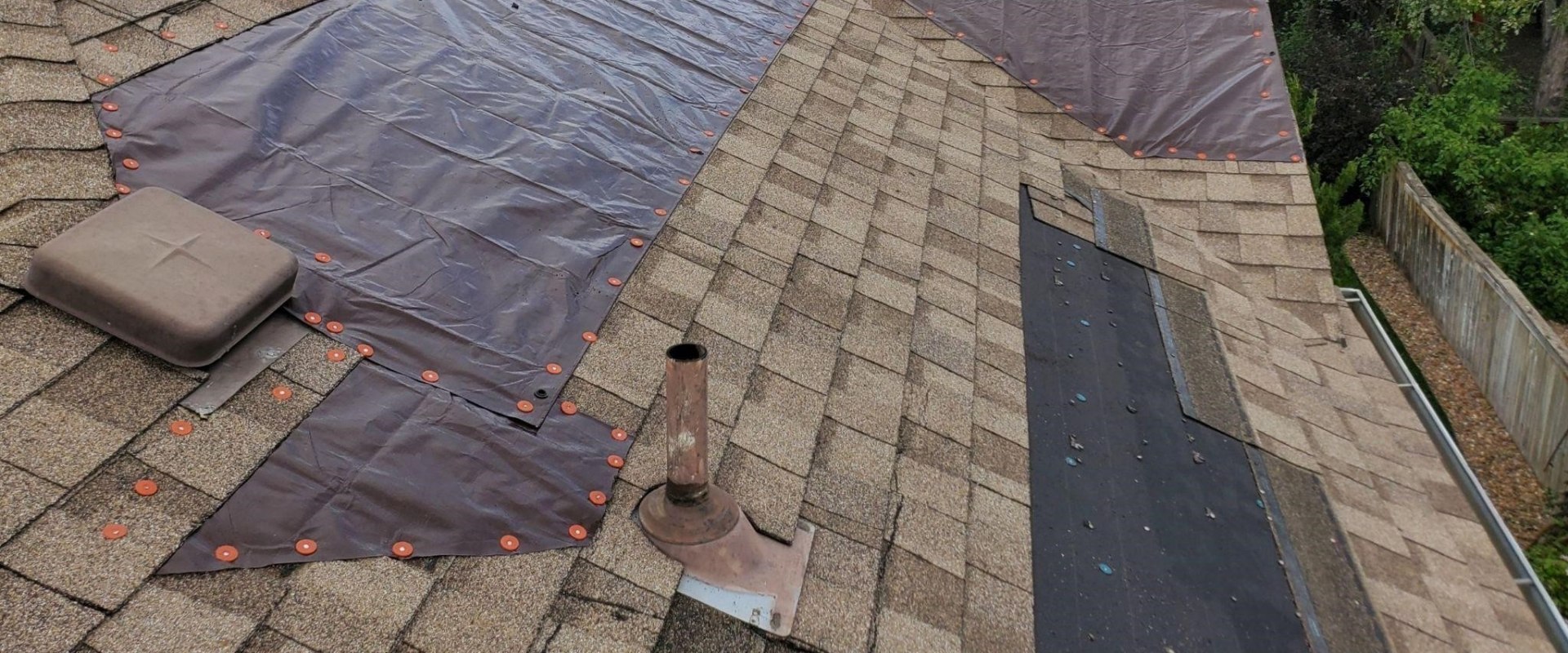
Emergency roof repair is crucial for homeowners dealing with structural hazards, water infiltration, or debris impact. Key indicators include attic exposure, sagging structures, and pest damage. Promptly secure the area, protect belongings, and contact a licensed roofing contractor. Avoid self-repair due to safety risks. Causes of damage often include heavy rain, strong winds, debris, and ice accumulation. Regular inspections and maintenance minimize risks. Choose experienced, insured contractors for emergency repairs to guarantee efficient, cost-effective solutions. For in-depth insights on handling roof emergencies and maintenance tips, additional information is available.
Main Points
- Secure the affected area and protect valuables to prevent further damage.
- Contact a licensed roofing contractor immediately for assessment and repair.
- Document roof damage with photos or videos for insurance claims.
- Avoid climbing onto the roof without proper safety equipment and training.
- Regular inspections and maintenance help prevent emergency roof situations.
Identifying Roof Emergencies
Identifying roof emergencies involves recognizing signs such as exposed interiors, structural water damage, and significant physical impairments that demand immediate professional intervention. Emergency roof situations often manifest through clear indicators like interior exposure to external elements or attic exposure, which can severely compromise the dwelling’s safety and habitability. When structural damage is evident, such as sagging or partial collapse, it is crucial to seek immediate attention from certified roofing professionals.
Water damage is another critical sign of roof emergencies, particularly when it infiltrates structural components or electrical systems. Even small amounts of water near fuse boxes or electrical panels can indicate severe underlying issues requiring prompt action. This type of damage can lead to costly repairs and pose significant safety hazards if not addressed swiftly.
Additionally, the impact of fallen trees on roofs should not be underestimated. The sheer force can breach the roof’s integrity, leading to potential interior exposure and extensive structural damage. Pests causing substantial harm to roofing materials also require emergency repairs to prevent further degradation and potential interior exposure. Recognizing these signs enables homeowners to mitigate risks effectively and guarantee the structural integrity and safety of their homes.
Immediate Actions to Take
Securing the affected area and protecting valuable items should be the homeowner’s immediate priority during an emergency roof repair situation. It is crucial to prevent further damage by promptly placing buckets or containers to collect water leaks. This simple action can mitigate interior damage while awaiting professional assistance. Homeowners should avoid climbing onto the roof to assess damage themselves, as this can pose significant safety hazards without proper equipment and training.
To effectively manage emergency roof repairs, contacting a licensed and insured roofing contractor immediately is essential. These professionals can accurately assess roof penetrations and the extent of roof damage, facilitating a timely and effective leak repair. While awaiting their arrival, documenting the damage through photos or videos is advisable. This documentation not only aids the contractor in conducting a thorough assessment but also serves as valuable evidence for insurance claims.
In some cases, a temporary patch may be applied to prevent further damage until permanent repairs can be executed. However, such measures should ideally be performed by trained professionals to guarantee the integrity and safety of the roof. Prompt and precise action is critical in safeguarding your home during an emergency roof repair scenario.
Common Causes of Damage
Understanding the common causes of roof damage is essential for homeowners aiming to maintain the integrity and longevity of their roofing systems. Heavy rain, particularly prevalent in regions like Seattle, can lead to roof leaks and extensive water damage. When water seeps through even the smallest cracks, it compromises the roofing material and underlying structure, often requiring emergency roof repair.
Strong winds can rip shingles or other roofing materials from an old roof, exposing it to the elements and further worsening damage. This scenario often results in significant structural issues and a potential need for roof replacement if not promptly addressed. Additionally, debris such as branches and fallen trees pose a substantial risk, as they can puncture the roofing surface, leading to immediate and severe damage to your roof.
Ice and snow accumulation is another critical factor; the added weight and blocked drainage can cause significant issues, including collapsed sections and water infiltration. Regular inspections and maintenance are crucial in identifying and mitigating these risks. Implementing a leak-stop guarantee for homeowners provides timely action to fix the problem before it escalates. Understanding these factors helps in maintaining a robust roofing system and avoiding costly emergency repairs.
Choosing Reliable Roofers
Selecting a reliable roofer is vital to ensuring that emergency roof repairs are handled with expertise and efficiency. When faced with urgent roofing issues, homeowners must prioritize contractors who possess proper licensing and insurance. These credentials not only affirm the roofer’s professionalism but also provide a safety net against potential liabilities that may arise during the repair process.
Experience is another essential factor. Reliable roofers with a proven track record in emergency roof repair are more adept at delivering swift and effective solutions. Their familiarity with various roofing systems and damage scenarios enhances their ability to address problems promptly and competently.
Transparent pricing is equally important. Homeowners should seek roofers who provide clear, upfront cost estimates to avoid unexpected financial burdens. This transparency extends to communication, ensuring that clients are well-informed about the scope of work and any potential issues that may arise.
Preventive Maintenance Tips
Optimizing the longevity and durability of your roof necessitates proactive measures that can mitigate the need for emergency repairs. One vital aspect of preventive maintenance is conducting regular roof inspections. These inspections enable homeowners to identify potential issues such as loose or missing shingles, which when left unattended, can lead to significant leaks and subsequent damage. Engaging a professional roofing contractor for these inspections ensures that even the smallest of problems are detected and addressed promptly.
Another preventive measure involves cleaning gutters and removing debris. Clogged gutters can lead to water buildup, which not only causes damage to the roof but can also seep into the home’s interior. Similarly, trimming overhanging branches is essential to prevent them from breaking off during storms and causing physical damage to the roof structure.
Proper attic ventilation is another crucial component of preventive maintenance. Adequate ventilation helps to regulate moisture levels, reducing the risk of mold growth and structural degradation. Homeowners should ensure that their attic ventilation systems are working optimally to avoid unnecessary moisture buildup.
In summary, timely identification of roof emergencies, coupled with immediate remedial actions, is essential to mitigate further structural damage. Understanding common causes of roof damage and selecting reliable roofing professionals are pivotal in ensuring effective repairs. Preventive maintenance, incorporating industry best practices, greatly enhances the longevity and resilience of roofing systems. Thorough knowledge of these aspects equips homeowners with the necessary tools to address and prevent roofing issues efficiently, thereby safeguarding their property investments.